
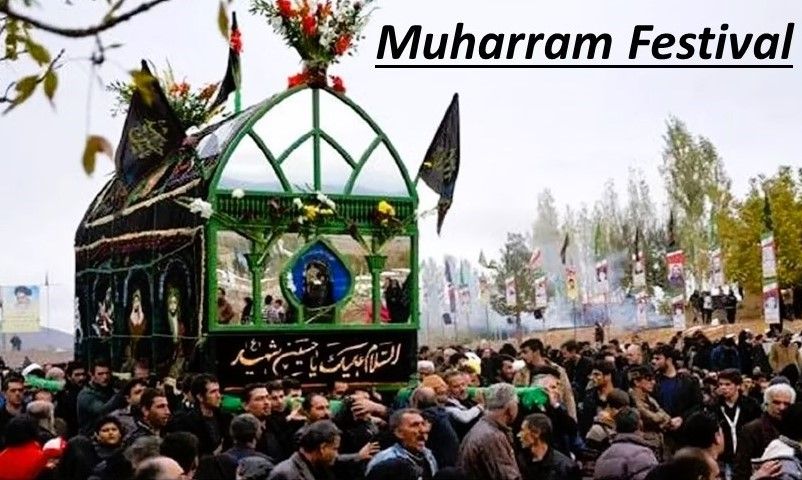
Muharram, the first month of the Islamic calendar, holds profound spiritual significance for Muslims worldwide. Unlike other festive occasions, Muharram is a period of solemn remembrance, particularly the tenth day known as Ashura. This day commemorates the martyrdom of Imam Hussain, the revered grandson of Prophet Muhammad, who was slain at the Battle of Karbala in 680 CE. His sacrifice against tyranny and injustice continues to inspire themes of courage, devotion, and resistance.
Historical Background
Following the death of Prophet Muhammad, disputes arose over succession. While some believed leadership should remain within the Prophet’s family, others supported election by consensus. Abu Bakr Became The First Caliph, succeeded by Umar and Uthman, both of whom were assassinated. Ali, the Prophet’s cousin and son-in-law, became the fourth Caliph but was also assassinated. His elder son Hasan was poisoned, and his younger son Hussain stood against Yazid, the Umayyad ruler. Hussain’s refusal to pledge allegiance culminated in his martyrdom at Karbala, a defining moment that symbolizes unwavering faith and moral resistance.
Rituals and Observances
The observances of Muharram vary between communities, yet all emphasize devotion and remembrance.
- Shia Mourning: The first ten days are dedicated to mourning through fasting, prayer, and lamentation. On Ashura, processions are held where mourners chant “Ya Hussain” and express grief.
- Taziahs: Ornate replicas of Hussain’s tomb carried in processions and later immersed in rivers or seas.
- White Horse: Symbolizing Hussain’s steed Dul Dul, a decorated horse is led in honor of his sacrifice.
- Majalis: Assemblies where orators recount the events of Karbala, reinforcing values of faith and martyrdom.
- Self-flagellation: Some devotees scourge themselves with chains to depict the suffering endured by Hussain and his followers.
- Sunni Observances: Sunnis mark Muharram with fasting, charity, and prayer. Many believe Ashura coincides with other significant events, such as the creation of Adam and Eve, adding to its sanctity.
Cultural Expressions in India
In India, Muharram is observed with both sorrow and cultural vibrancy.
- In Uttar Pradesh, marsiyas (elegies) are sung, sometimes sparking sectarian tensions.
- In South India, masked dancers lead processions, adding regional variety.
- After rituals, Taziahs are immersed in water bodies, symbolizing the martyrs’ return to the divine.
- Mosques distribute free meals, known as nazar, reflecting charity and inclusiveness.
Symbolism and Spiritual Meaning
Muharram is not a festival of joy but of remembrance. It embodies sacrifice, justice, and resilience. For Shias, wearing black signifies mourning, while Sunnis emphasize fasting and prayer. The grief expressed in processions is a collective act of solidarity with Hussain’s stand against oppression, ensuring that the lessons of Karbala remain alive.
Conclusion
The Muharram Festival serves as a poignant reminder of the eternal struggle between truth and falsehood. It transcends ritual to become a spiritual journey of reflection, sacrifice, and unity. Whether through fasting, prayer, or mourning, Muslims across the world honor The Legacy of Imam Hussain, keeping alive the message of Karbala for generations to come.