
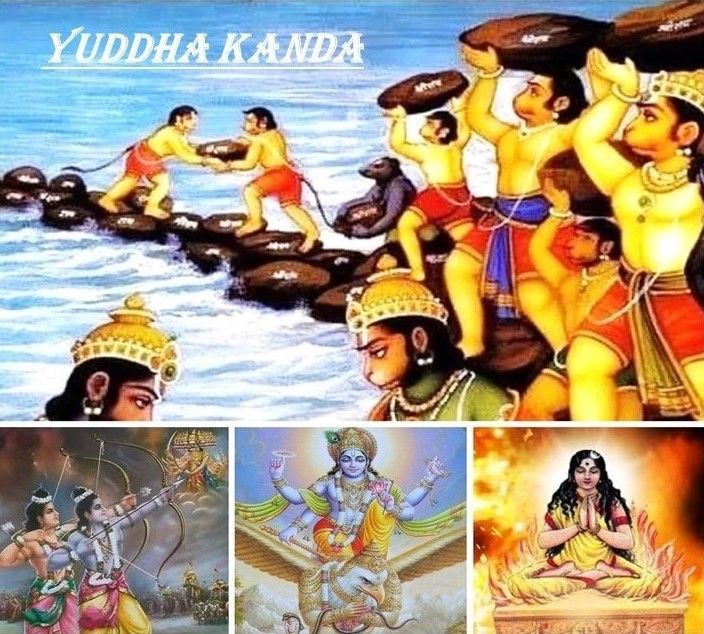
The Ramayana is filled with episodes of valor, wisdom, and tragedy. Among its most dramatic moments in the Yuddha Kanda is the awakening of Kumbhakarna, Ravana’s colossal brother, whose immense strength and terrifying presence made him one of the most formidable warriors of Lanka. His rise from slumber, counsel to Ravana, and eventual death at the hands of Rama form a powerful narrative of loyalty, duty, and the inevitable triumph of righteousness.
Awakening the Giant
After suffering defeat in battle against Rama, Ravana Turned to His Brother Kumbhakarna, renowned as the greatest fighter among the rakshasas. Kumbhakarna’s unique curse caused him to sleep for six months and remain awake for six months, making his presence rare but devastating. Ravana dispatched a host of rakshasas to awaken him from his deep slumber.
The rakshasas found Kumbhakarna lying in his cave, vast as a mountain, his breath rank and overpowering, smelling of blood and fat. To rouse him, they prepared heaps of food buffaloes, deer, steaming rice, jars of blood, and mountains of meat piled high like Mount Meru. They blew conchs, beat drums, and shouted until finally the giant stirred. Upon waking, Kumbhakarna devoured the feast laid before him, satisfying his immense hunger before hearing the reason for his awakening.
Counsel to Ravana
When Kumbhakarna learned of Sita’s abduction and Rama’s siege of Lanka, he initially advised Ravana to return Sita and avoid further bloodshed. His counsel reflected wisdom and foresight, recognizing Rama’s divine strength and the futility of resisting him. However, Ravana, blinded by pride and desire, dismissed his brother’s advice. He appealed instead to Kumbhakarna’s sense of loyalty and patriotism, urging him to fight for the honor of Lanka and his family.
Bound by duty to his brother and his kingdom, Kumbhakarna reluctantly agreed, despite knowing the war’s outcome was inevitable. His decision highlights the tragic conflict between personal wisdom and familial loyalty.
The Battle with Rama
Kumbhakarna advanced into battle with terrifying force. The vanaras fled in fear as he seized them by handfuls, devouring them and spreading carnage across the battlefield. His immense size and strength made him appear unstoppable, and even Hanuman and Angada struggled against him.
Though wounded, Kumbhakarna fought fiercely, raging across the battlefield and striking terror into Rama’s army. Rama then took up the fight himself. With divine arrows, he severed Kumbhakarna’s arms, each falling and crushing hundreds of monkeys. Rama followed with sharp discs to cut away his legs, and finally, with Indra’s celestial shaft, he struck off Kumbhakarna’s head. The giant fell like a great mountain crashing into the sea, his death shaking the earth and marking a decisive moment in the war.
Symbolism of Kumbhakarna’s Fall
The episode of Kumbhakarna carries deep symbolic meaning:
- Duty vs. Wisdom: Kumbhakarna knew Ravana’s folly but chose loyalty over reason, embodying the tragic cost of misplaced duty.
- The Power of Pride: Ravana’s arrogance led to the loss of his greatest warrior, showing how pride blinds judgment.
- The Triumph of Dharma: Rama’s victory over Kumbhakarna symbolizes the inevitable triumph of righteousness over brute force and chaos.
Conclusion
The Awakening and Fall of Kumbhakarna is one of the most memorable episodes of the Ramayana. It portrays the tragic fate of a mighty warrior torn between wisdom and loyalty, whose strength could not alter destiny. His death foreshadowed Ravana’s own downfall, reinforcing the epic’s central theme: that arrogance and injustice lead to destruction, while dharma and righteousness ultimately prevail.