
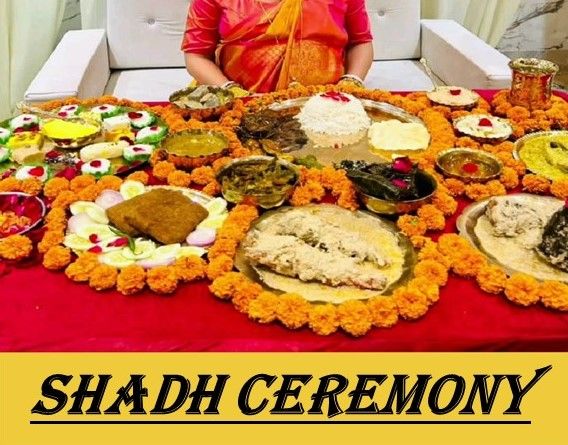
The Shadh Ceremony is one of the most treasured rituals in Bengali culture, embodying blessings, affection, and family unity. Rooted deeply in tradition, it honors the expectant mother as she prepares to welcome her child. The word Shadhliterally means to fill the lap, symbolizing the act of showering the mother-to-be with gifts, food, and love. More than a ritual, it is A Heartfelt Celebration of Motherhood and Community.
Occasion of Shadh
The ceremony is usually performed when the pregnant woman completes her seventh month of pregnancy, a stage considered safe and stable for both mother and child. In Bengali belief, this period marks the baby’s viability, making it an auspicious time to celebrate. Traditionally, the woman’s parental family organizes the event, filling her lap with fruits, gifts, and blessings.
There are two stages of this ritual:
- Panchammrita: Conducted in the fifth month, this smaller ritual focuses on prayers for the well-being of mother and child.
- Saptammrita: Held in the seventh month, this is the grander celebration, filled with joy, feasting, and blessings.
Both stages highlight the cultural emphasis on nurturing and protecting the expectant mother during this crucial phase.
Celebration of Shadh
The Shadh Ceremony is vibrant and joyous. The mother-to-be is adorned with jewelry, her lap is filled with gifts, and she is treated to a lavish meal prepared according to her wishes. It is primarily a women’s gathering, often accompanied by singing, dancing, and playful teasing.
Some families include fun games, such as guessing the baby’s gender based on the shape of the mother’s belly. These lighthearted traditions add laughter and enhance the festive spirit.
Gifts and Blessings
The offerings during Shadh are both practical and symbolic:
- Baby clothing to prepare for the newborn.
- Silver bangles or charms believed to bring good fortune.
- Cash gifts as a token of prosperity.
These gifts reflect the family’s desire to ensure the mother’s comfort and readiness for her new role.
The Feast
Food plays A Central Role in the Shadh Ceremony, designed to satisfy the cravings of the mother-to-be while showcasing traditional Bengali flavors:
- The first dish is usually Shukto, a bitter vegetable preparation believed to aid digestion.
- This is followed by an array of vegetable dishes, lentils, and rice.
- Fish, a staple of Bengali cuisine, is often included as it symbolizes fertility, prosperity, and abundance.
The meal is not just nourishment but a symbolic gesture of abundance and blessings for the new life about to enter the family.
Cultural Significance
The Shadh Ceremony is more than a ritual; it is a celebration of womanhood, fertility, and family unity. It acknowledges the mother’s journey, honors her sacrifices, and prepares her emotionally and spiritually for motherhood. In a society where family ties are central, Shadh reinforces the importance of collective support and shared joy.