
Introduction
The concept of saints in Islam is deeply rooted in spirituality and mysticism. Saints are revered figures who embody holiness, devotion, and closeness to God. Their reputation may arise through miracles, asceticism, charity, hereditary sanctity, or even the foundation of spiritual orders. Unlike ordinary individuals, saints are believed to receive their power directly from God, not through personal merit. They serve as intermediaries of divine blessings, guiding followers toward spiritual progress and offering solace in times of need.
The Nature of Sainthood
In Islamic Tradition, sainthood is not self-acquired but bestowed by God. Saints are considered vessels of divine grace, and their power is known as Baraka, meaning blessing. This Baraka is imagined as tangible, capable of being transferred to worshippers through acts such as kissing a saint’s hand or tomb. It is believed that those who receive Baraka are helped in their worldly and spiritual lives. However, like all sacred things, Baraka can be dangerous if misused.
Orthodox Islam recognizes saints who perform wonders, but these are not termed miracles. Instead, they are seen as charismatic gifts, manifestations of God’s will through the saint. A common form of praise for saints is the phrase, “his prayers were answered,” signifying that God responded to their supplications. Importantly, sainthood endures even after death, which explains the popularity of worship at shrines across the Islamic world.
Shrines and Festivals
Saints’ tombs are considered sacred spaces where divine protection is assured. It is believed that anything left under the guardianship of a saint’s tomb remains safe, untouched by others. For example, peasants would leave their ploughs at shrines, confident in their protection. Annual festivals dedicated to saints often include processions, prayers in mosques, and fairs, creating a vibrant atmosphere where spiritual devotion blends with cultural celebration.
Sayyids and Sharifs
Closely connected with sainthood are the Sayyidsand Sharifs, traditionally regarded as descendants of the Prophet Muhammad’s grandsons, Hasan and Husain. However, interpretations vary across regions. In South Arabia, for instance, Sharif is considered the feminine form of Sayyid. Sayyids often hold positions of respect, acting as arbitrators and peacemakers among tribes. In Morocco, certain Sharifs, such as the Sharif of Wazzan, are revered almost as saints.
There are also entire tribes of Sharifs, both genuine and so-called, whose influence stems from ancestral holiness. Similarly, in South Arabia, clans known as Mashaikh are descendants of local saints, and their inherited sanctity grants them significant religious authority.
Saints in India
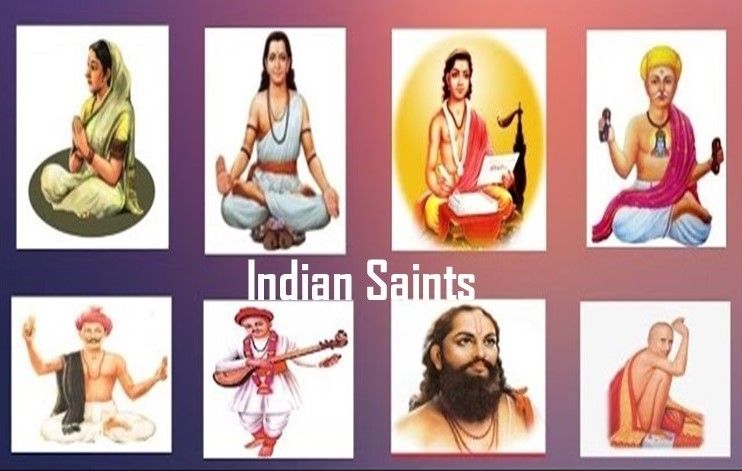
In India, saints have played a unique role in blending Islamic spirituality with local traditions. One example is Khadir, a figure associated with water. He is invoked during times of drought or flood and is symbolically depicted riding a fish, an emblem later adopted by the rulers of Oudh. Though Khadir has no shrines, rituals such as floating rafts with lamps, flowers, and sweetmeats on rivers at the end of the rains are performed in his honor.
Conclusion
Saints in Islam represent the living connection between humanity and the divine. Through their Baraka, prayers, and teachings, they inspire Devotion and Provide Spiritual Guidance. Whether through shrines, festivals, or inherited sanctity, saints continue to hold a vital place in Islamic culture. Their legacy transcends boundaries, uniting communities in faith and reinforcing the belief that God works through chosen individuals to bless and guide the world.