
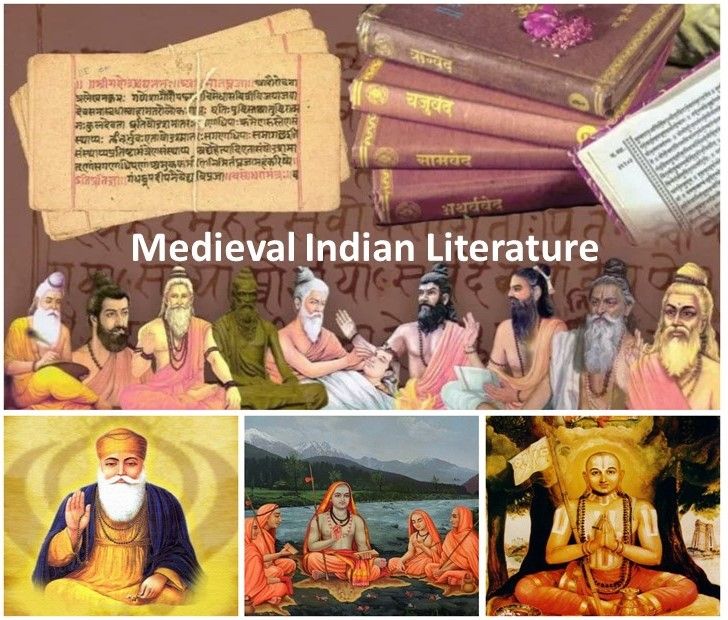
Introduction
The medieval period in India was marked not only by political upheavals and dynastic changes but also by profound social and cultural transformations. Among these, The Bhakti Movement stands out as one of the most influential reformist currents. It challenged the rigid orthodoxy and dogmatism propagated by religious elites of both Hinduism and Islam, while simultaneously offering a more inclusive, human-centered spirituality. The Bhakti saints, including Guru Nanak, Kabir, and numerous Sufi mystics, became torchbearers of harmony, tolerance, and devotion. Their teachings transcended caste, creed, and ritual, creating a spiritual revolution that reshaped Indian society and literature.
Origins of the Bhakti Movement
The Bhakti Movement originated in South India around the 7th–9th centuries CE with the devotional hymns of the Alvars (devotees of Vishnu) and Nayanars (devotees of Shiva). These poet-saints emphasized personal devotion (bhakti) to God over ritualistic practices and priestly mediation. Their songs, composed in Tamil, laid the foundation for a movement that gradually spread northward, adapting to regional languages and cultures. By the medieval period, Bhakti had become a Pan-Indian phenomenon, resonating with the masses who sought spiritual solace amid social inequalities and political instability.
Key Features of the Movement
- Rejection of Ritualism: Bhakti saints opposed empty rituals and emphasized heartfelt devotion as the true path to God.
- Equality and Inclusivity: They denounced caste hierarchies and proclaimed that divine grace was accessible to all, regardless of social status.
- Use of Vernacular Languages: Saints composed hymns and verses in local languages such as Hindi, Marathi, Bengali, and Punjabi, making spiritual teachings accessible to common people.
- Syncretism: The movement fostered dialogue between Hindu and Islamic traditions, particularly through the influence of Sufi mysticism.
- Personal Relationship with God: Bhakti emphasized a direct, emotional bond with the divine, often expressed through poetry, music, and oral traditions.
Prominent Saints and Thinkers
- Kabir: A mystic poet who rejected both Hindu and Muslim orthodoxy, Kabir’s verses emphasized unity of God, simplicity in living, and love as the essence of spirituality.
- Guru Nanak: Founder of Sikhism, Guru Nanak preached equality, service, and devotion to one God. His teachings laid the foundation for a new religious community that embodied Bhakti ideals.
- Mirabai: A Rajput princess and devotee of Krishna, Mirabai’s devotional songs expressed intense personal love for God, challenging patriarchal norms of her time.
- Sufi Saints: Figures like Khwaja Moinuddin Chishti and Nizamuddin Auliya enriched the Bhakti ethos by stressing compassion, humility, and universal brotherhood.
Impact on Society and Culture
The Bhakti Movement had far-reaching consequences:
- Social Reform: It weakened caste barriers and promoted egalitarian values.
- Religious Harmony: By bridging Hindu and Muslim traditions, it reduced communal tensions and fostered mutual respect.
- Literary Flourishing: Bhakti poetry enriched Indian literature, producing timeless works in regional languages that continue to inspire.
- Music and Art: Devotional songs, kirtans, and qawwalis became integral to Indian cultural life, blending spirituality with artistic expression.
Conclusion
The Bhakti Movement was more than a religious reform; it was a cultural renaissance that democratized spirituality and challenged entrenched hierarchies. By emphasizing love, devotion, and inclusivity, Bhakti Saints Created a Legacy that continues to resonate in modern India. Their voices remind us that true religion lies not in rigid dogma but in compassion, humility, and the pursuit of harmony among all human beings.