
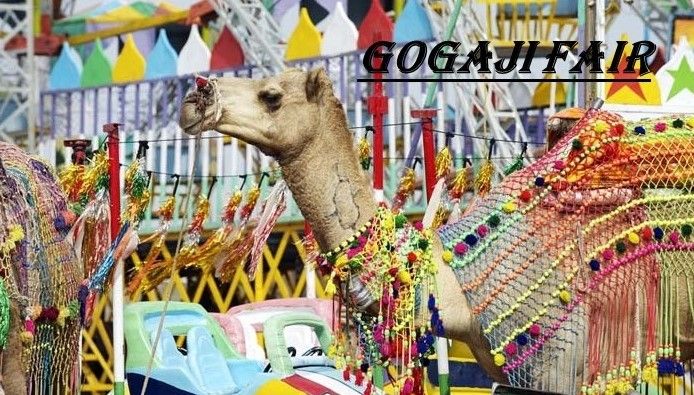
Rajasthan, known for its vibrant festivals and deep-rooted traditions, celebrates the Gogaji Fair every year during the Hindu month of Bhadrapada(August–September). This three-day spiritual gathering honors Gogaji, an 11th-century folk hero revered across communities. Hindus worship him as Veer Gogaji, while Muslims call him Zahar Peer. He is widely regarded as the Snake God, protector against serpent bites and a symbol of divine guardianship. Shrines dedicated to him are found in nearly every Rajasthani village, often beneath the sacred Khejri Tree.
Origins and Significance
Gogaji is remembered as a warrior saint with miraculous powers, especially in curing victims of snakebites. His idol depicts him riding a striking blue horse, with a snake coiled around his neck A Powerful Symbol of Protection. Folklore describes his mystical ability to transform a barren stick into a living snake, reinforcing his divine status. This syncretic devotion, cutting across religious boundaries, reflects Rajasthan’s unique cultural fabric where faith and folklore intertwine.
The fair, held mainly at Smadhi Sathal Gogamedi in Hanumangarh District and at Gogaji’s birthplace in Churu District, draws thousands of devotees who seek blessings and honor his memory.
Rituals and Celebrations
The Gogaji Fair is marked by devotion, music, and cultural vibrancy. Key rituals include:
- Pilgrims with Nishans: Groups arrive carrying multicolored flags, singing devotional songs accompanied by drums and gongs.
- Bhajans and Instruments: Devotees chant bhajans narrating Gogaji’s life, often using traditional instruments like chimta and damru.
- Purbia Pilgrims: Pilgrims from Dadrewa, known as Purbia, travel long distances to participate, reflecting the fair’s wide appeal.
- Snake Rituals: Devotees carry live snakes around their necks, trusting Gogaji’s divine protection.
These rituals blend faith with folklore, creating a cultural spectacle that fascinates both devotees and visitors.
The Samadhi of Gogaji
At Gogamedi, Gogaji’s Samadhistands as a marble structure with two minarets and a strong boundary wall. Inside, his idol sits majestically on a blue horse, with a snake around his neck. A Persian inscription at the entrance records Mahmud Ghazni’s reverence for Gogaji, noting that he even remodeled the shrine after his wishes were fulfilled.
Offerings such as coconuts, sugar drops (batashas), and cash are made, while incense fills the air with fragrance. Nath priests conduct special prayers and carry whips resembling Gogaji’s chabuk, believed to bring good fortune to devotees.
Cultural Importance
The Gogaji Fair is more than a religious gathering it is a cultural mosaic where faith, folklore, and tradition converge. Hindus and Muslims alike venerate Gogaji, reinforcing Rajasthan’s syncretic heritage. Beyond devotion, the fair strengthens the community’s belief in divine protection against natural dangers like snakebites.
By blending rituals, music, folklore, and devotion, The Gogaji Fair Thrives as a Living Tradition, keeping alive the legacy of a hero who transcends religious boundaries. It remains a testament to Rajasthan’s rich cultural fabric and enduring respect for folk saints.