
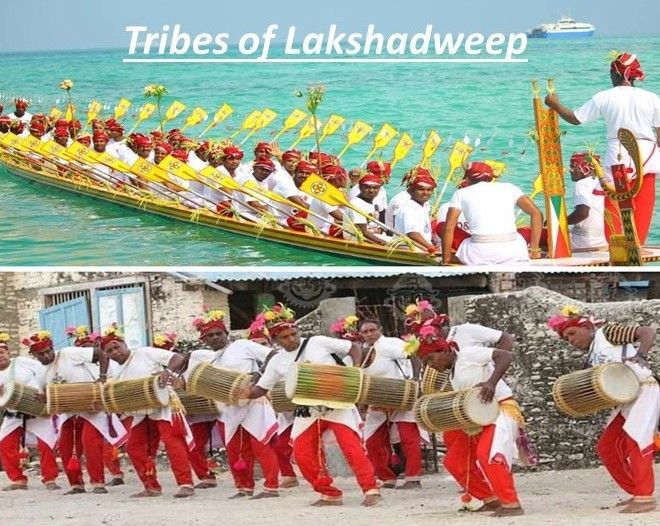
The Lakshadweep archipelago, a cluster of islands in the Arabian Sea, is home to diverse communities whose traditions and social structures have shaped the region’s identity for centuries. Among these, the Koya tribe stands out as one of the most influential and historically rooted groups. Traditionally regarded as the land-owning class, the Koyas have long occupied a prominent position in the islands’ social hierarchy, symbolizing authority, heritage, and cultural continuity.
Historical Roots and Social Standing
The Origins of the Koya Tribe are traced back to ancient South Indian landowners who migrated to the islands. Over time, they established themselves firmly in Kalpeni, Andrott, and Kavaratti, becoming custodians of land and local governance. Their elevated status placed them at the apex of Lakshadweep’s tripartite social framework, which was historically divided into cultivators, seafarers, and landowners.
During the early Muslim rule in the region, the Koyas rose to prominence as respected leaders. Known by titles such as Karnavarsor Tarawads, they maintained exclusivity and social pride, reinforcing their authority in community affairs. Even today, their voices carry weight in cultural and administrative matters, reflecting the enduring respect they command.
Role in Governance and Community Life
Beyond land ownership, the Koyas have played a pivotal role in governance. They are often called upon to deliver judgments on socio-economic issues, mediate disputes, and guide community decisions. This tradition of leadership underscores their deep integration into the social fabric of Lakshadweep. Their influence extends beyond formal authority, shaping customs, values, and the collective identity of the islands.
Dual Identity: Land and Sea
Despite their elevated status, the Koyas are not detached from traditional occupations. Many engage in maritime activities, navigating and operating locally made boats that contribute to the islands’ economy. This dual connection to both land and sea defines their identity anchored in heritage yet actively participating in the rhythms of daily life. Their maritime skills highlight adaptability and resilience, qualities essential for survival in an island ecosystem.
Cultural Expressions and Traditions
The cultural life of the Koya tribe is vibrant and deeply intertwined with religious and social celebrations. Festivals and ceremonies are marked by traditional music, folk dances, and devotional songs performed by women. These hymns, sung in the local dialect, blend faith with folklore, creating a melodic tapestry that preserves oral traditions and strengthens communal bonds.
Such cultural practices not only enrich the tribe’s heritage but also serve as a living archive of Lakshadweep’s history. Through these performances, the Koyas reaffirm their identity and transmit values across generations.
Contemporary Significance
In modern times, while social interactions among different groups have evolved, the Koyas remain a dominant voice in Lakshadweep’s cultural and administrative life. Their historical prestige continues to shape perceptions of authority and leadership. At the same time, their participation in everyday occupations reflects a balance between tradition and modernity.
Conclusion
The Koya Tribe of Lakshadweep embodies a unique blend of heritage, leadership, and cultural vibrancy. As descendants of ancient landowners, they have preserved their influential role while adapting to the changing dynamics of island life. Their dual identity rooted in land ownership yet connected to maritime livelihoods illustrates resilience and versatility. Through governance, cultural expression, and community leadership, the Koyas remain integral to the social and cultural fabric of Lakshadweep, ensuring that their legacy continues to thrive in the present and future.