
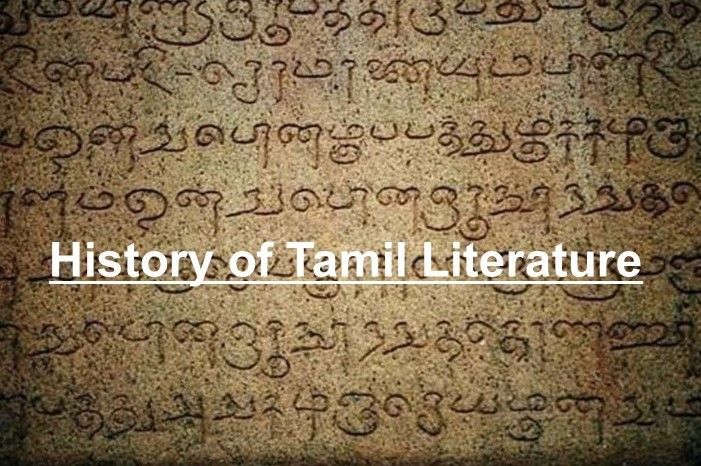
The medieval period in Tamil Nadu, spanning roughly from the 10th to the 14th centuries, stands as a golden era of literary creativity, religious devotion, and intellectual exploration. Under the unified administration of the Imperial Cholas, Tamil Nadu flourished as a hub of cultural exchange, artistic expression, and literary innovation. This epoch not only produced enduring masterpieces but also laid the foundation for diverse traditions that continue to inspire readers today.
Chola Patronage and Literary Renaissance
The Cholas, renowned for their devotion to Lord Shiva, constructed magnificent temples that became centers of religious and literary activity. These temples inspired a rich tradition of hymns and devotional poetry, with the Prabhanda style gaining prominence. The Chola period also witnessed systematic efforts to collect and categorize religious texts, ensuring their preservation for future generations.
Nambi Andar Nambi, a contemporary of Rajaraja Chola I, compiled Shaiva texts into eleven volumes known as the Tirumurais. These works safeguarded the teachings and stories of Shaivism. Later, Sekkilar, during the reign of Kulothunga Chola II, composed the Periyapuranam (also called Tiruttondar Puranam), which standardized Shaiva hagiography and remains a cornerstone of Tamil devotional literature.
Vaishnava Contributions and Challenges
In contrast, Vaishnava texts were predominantly composed in Sanskrit. The great Vaishnava leader Ramanuja faced persecution under the Shaiva-oriented Cholas, yet his influence endured. Despite these challenges, Tamil literature thrived, with poets and scholars continuing to produce remarkable works.
Among the most celebrated creations of this era was Kamban’s Ramavatharam, a Tamil retelling of Valmiki’s Ramayana. Written during the reign of Kulottunga III, Kamban infused the epic with Tamil landscapes, cultural nuances, and poetic brilliance, creating a distinct narrative that remains a literary treasure.
Didactic and Popular Literature
The medieval period also saw the rise of poets like Auvaiyar, whose works such as Athichoodi and Konraiventhanwere aimed at children. These didactic texts, filled with moral lessons and simple wisdom, continue to be taught in schools across Tamil Nadu, reflecting their timeless appeal.
Buddhist and Jain Contributions
Buddhist and Jain traditions enriched Tamil literature during this era. The Jain ascetic Thirutakkadevar composed Jivaka-Chintamani in the 10th century, notable for its use of the Viruttamstyle of poetry. The Five Great Epics of Tamil Literature Silappatikaram, Manimekalai, Kundalakesi, Valayapathi, and Jivaka-Chintamanihold a revered place in Tamil heritage, blending narrative artistry with philosophical depth.
Historical and Political Works
The medieval period also produced semi-historical and political texts. Jayamkondar’s Kalingattuparani vividly described the Kalinga invasions under Kulothunga Chola I, while Ottakuttan’s Ulas offered insights into the reigns of Vikrama Chola, Kulothunga Chola II, and Rajaraja Chola II. These works combined historical detail with literary elegance, bridging the gap between fact and art.
Muslim and Christian Contributions
Tamil Muslim literature emerged during this time, with early works like Palsanthmalai (14th century). Later contributions included Seyku Issaku’s Aayira Masala Venru Vazhankum Adisaya Puranam (1572) and Aali Pulavar’s Mikurasu Malai (1592), which articulated Islamic principles in poetic form. Christian authors also enriched Tamil literature, with Veeramamunivar (Costanzo Giuseppe Beschi) compiling Chathurakarathi, the first Tamil dictionary arranged alphabetically.
Linguistic and Grammatical Studies
The medieval era was equally significant for linguistic scholarship. Scholars such as Amirtasagara, Buddamitra, Pavanandi, and Neminatha explored Tamil grammar, prosody, and the synthesis between Tamil and Sanskrit. Their contributions deepened the intellectual foundations of Tamil literature and language studies.
Conclusion
The Medieval Period in Tamil Literature was a time of extraordinary creativity and cultural synthesis. From devotional hymns and epics to grammatical treatises and cross-cultural works, this era reflected the richness of Tamil society under the Cholas and beyond. The legacy of medieval Tamil literature continues to resonate, embodying the spiritual, intellectual, and artistic spirit of a golden age.