
Introduction
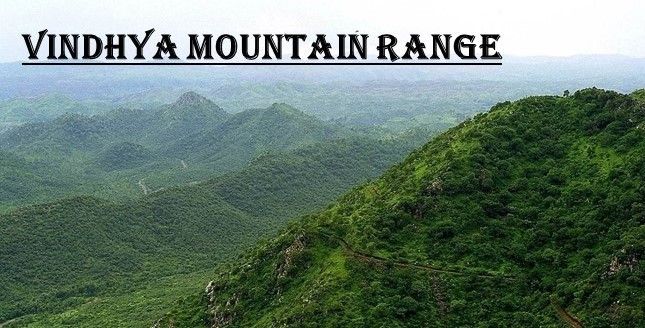
The Vindhya Mountain Range, among the oldest geological formations in India, holds a special place not only in geography but also in mythology and folklore. Ancient texts and epics portray The Vindhyas as more than mere Hills they are revered as divine abodes, cosmic boundaries, and living entities. These myths reflect India’s cultural imagination, where mountains symbolize strength, sanctity, and spiritual power.
Vindhyas and the Sun
One of the most captivating legends tells of the Vindhyas growing so tall that they obstructed the path of the sun. This act of defiance symbolized their immense strength and ambition, challenging even the celestial order. The myth emphasizes the mountains’ power and the need for divine intervention to restore balance in the universe.
The Sage Agastya Legend
A prominent tale describes how the Vindhyas competed with Mount Meru, rising so high that they blocked sunlight. Sage Agastya, renowned for his wisdom, requested the Vindhyas to lower themselves so he could cross to the southern region. Out of respect, the mountains bowed and promised not to rise again until Agastya returned north. Since the sage settled permanently in the south, the Vindhyas remained modest in height. This story provides a mythological explanation for their relatively smaller size compared to the Himalayas.
Etymological Myths
The very name Vindhya carries mythical interpretations. Derived from the Sanskrit word Vaindh, meaning “to obstruct,” it reflects the mountains’ role as a barrier. Another theory suggests that Vindhya means “hunter,” linked to the tribal hunter-gatherer communities inhabiting the region. In the Mahabharata, the range is referred to as Vindhyapadaparvata, underscoring its sacred and symbolic stature.
Vindhyas in Ancient Texts
In early Indian writings, the Vindhyas were depicted as the southern boundary of Aryavarta, the land of the Indo-Aryans. They symbolized a frontier separating northern India from southern territories. Ancient texts often described the Vindhyas as remote, formidable, and inhabited by fierce tribes, reinforcing their image as a dangerous yet powerful frontier.
Goddess Vindhyavasini
The Vindhyas are also associated with divine feminine energy. Later texts describe the range as the dwelling place of Shaktiin her fierce forms Kali or Durga after slaying demons. Worshipped as Vindhyavasini, she is honored at a temple in Vindhyachal, Uttar Pradesh. The Mahabharata even mentions the Vindhyas as the “everlasting residence” of goddess Kali, highlighting their spiritual and cultural significance.
Vindhyas in Epics and Literature
The Ramayana recounts that Maya, a celestial architect, built a house in the Vindhyas, linking the range to divine narratives. In Dashakumaracharita, King Rajahamsa of Magadha and his ministers established a settlement in the Vindhya forest after losing their kingdom, showing how the mountains served as a refuge during times of turmoil.
Conclusion
The Myths Surrounding the Vindhya Mountain Range weave together themes of divine power, cosmic balance, and cultural boundaries. From obstructing the sun to bowing before Sage Agastya, from serving as Aryavarta’s southern frontier to being the abode of goddess Vindhyavasini, the Vindhyas embody both natural and spiritual significance. These legends enrich India’s cultural heritage, illustrating how geography and mythology intertwine to shape identity, belief, and tradition.