
Introduction
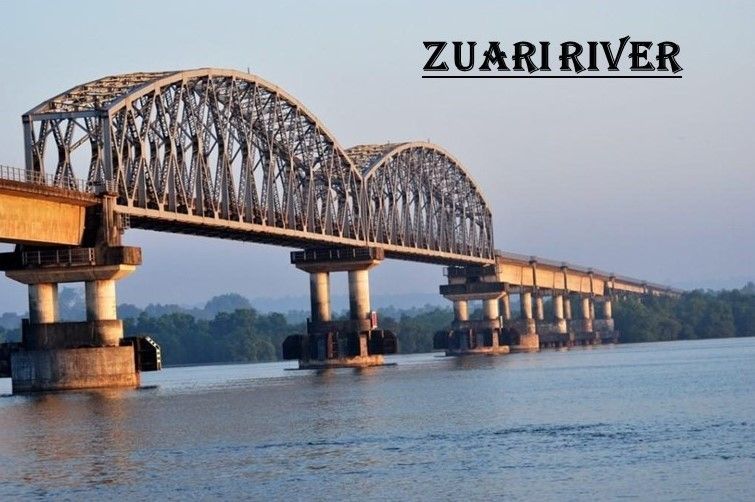
The Zuari River basin, one of the most significant hydrological systems in Goa, extends over approximately 975 square kilometres, accounting for nearly 27 percent of the state’s geographical area. This basin is not only a vital water resource but also a hub of ecological richness. Forests cover more than 31 percent of the basin, ensuring biodiversity, regulating climate, and maintaining the delicate ecological balance of the Western Ghats. Within its expanse lies the Netravali Wildlife Sanctuary, a protected area renowned for its diverse flora and fauna, making the Zuari basin a crucial ecological zone.
Geographic and Ecological Significance
Situated in the Western Ghats The Zuari basin forms part of the larger Deccan river system. The Ghats, often referred to as the “ecological spine of India,” play a pivotal role in sustaining river life and regulating monsoon rainfall. The Zuari basin benefits from this geography, receiving abundant rainfall that contributes to its average annual runoff of 2247.4 million cubic metres (MCM). This runoff is essential for replenishing groundwater reserves, sustaining agriculture, and supporting the livelihoods of communities dependent on riverine resources.
The forests within the basin act as natural guardians, preventing soil erosion, maintaining water quality, and serving as habitats for countless species. The Netravali Wildlife Sanctuary, located within the basin, exemplifies this ecological wealth. It shelters rare species of birds, mammals, and reptiles, while also preserving medicinal plants and endemic vegetation unique to the Ghats of India.
Sub-Basins: Kushavati and Guleli-Sanguem
Two major sub-basins define the hydrological character of the Zuari system: the Kushavati and Guleli-Sanguem rivers. Both flow in a north-westerly direction, contributing significantly to the basin’s water volume and ecological diversity.
- Kushavati River Sub-Basin: Known for its scenic landscapes and fertile valleys, the Kushavati sub-basin supports agriculture and traditional livelihoods. Its waters are vital for irrigation, sustaining crops such as paddy, sugarcane, and vegetables.
- Guleli-Sanguem River Sub-Basin: This sub-basin is equally important, with its streams feeding into the larger Zuari system. The Guleli-Sanguem region is dotted with forested hills and agricultural lands, reflecting the harmonious coexistence of human activity and natural ecosystems.
Together, these sub-basins ensure the continuity of river life, supporting both ecological processes and human needs.
Hydrological and Economic Importance
The Zuari basin’s hydrology is marked by its substantial runoff, which sustains agriculture and replenishes aquifers. The river system has historically supported Goa’s agrarian economy, enabling cultivation in fertile plains and valleys. Beyond agriculture, the basin has played a crucial role in Goa’s industrial and mining sectors.
The Cumbarjua Canal, linking the Zuari and Mandovi rivers, has historically served as a vital passage for ships transporting iron ore from the hinterland to coastal ports. This canal underscores the economic significance of the basin, connecting inland resources with global trade routes.
Lifelines of Goa
Together, the Zuari and Mandovi rivers drain nearly 69 percent of Goa’s geographical area, earning them the title of the state’s “lifelines.” They sustain agriculture, industry, biodiversity, and cultural traditions. The rivers are deeply woven into the fabric of Goan life, shaping its ecology, economy, and heritage.
Conclusion
The Zuari basin and its sub-basins exemplify the intricate relationship between geography, ecology, and human activity. Nestled in the Western Ghats, they embody The Richness of India River Life, sustaining biodiversity, agriculture, and industry. As lifelines of Goa, the Zuari and its tributaries highlight the need for conservation and sustainable management, ensuring that future generations continue to benefit from their ecological and economic wealth.